
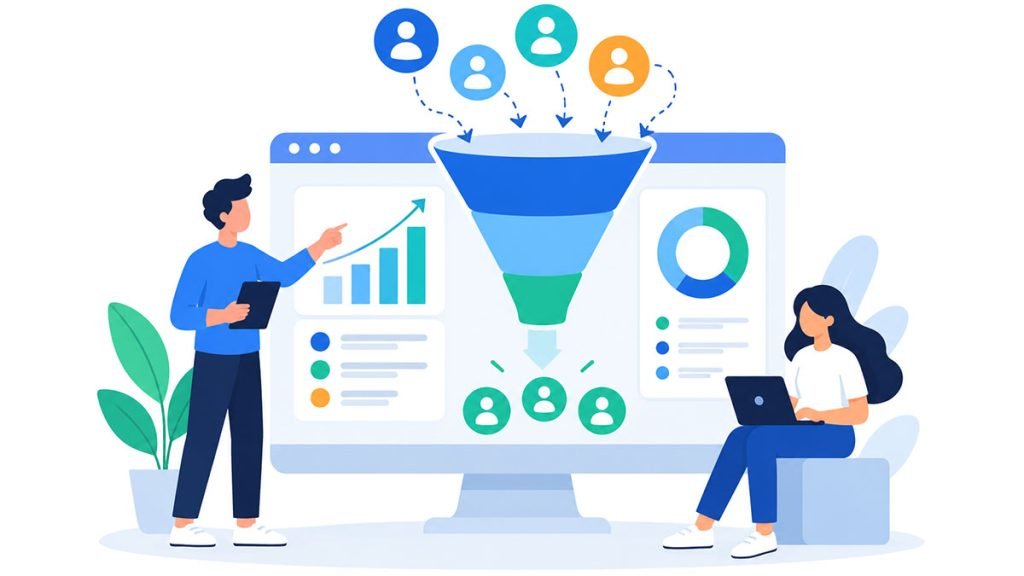
Following proven lead generation best practices can help any business attract more customers and turn interest into enquiries. Yet many businesses spend time and money on marketing without seeing enough results. The problem is often not a lack of effort. Instead, their approach misses one or two important steps.
Effective lead generation brings the right people to your business and gives them a reason to get in touch. However, it should also help your team turn those enquiries into real work.
The good news is that you do not need a huge budget to improve your results. These practical steps can help almost any business build a more reliable flow of opportunities.
What Are Lead Generation Best Practices?
Lead generation best practices are the steps businesses use to attract potential customers, earn their trust and encourage enquiries. They include understanding your audience, offering clear value, improving your website and following up with interested people.
Above all, aim for qualified leads – people with a genuine interest in what you offer. Ten relevant enquiries may be worth more than a hundred unsuitable ones.
1. Know Who Your Ideal Customers Are

Before choosing marketing channels, decide who you want to reach. Otherwise, even a busy campaign can attract the wrong people.
Start with your best existing customers. Then ask what they have in common:
- What problems did they need to solve?
- Which services or products did they choose?
- Where are they based?
- What made them contact your business?
- What questions did they ask before buying?
For example, a local roofer may focus on homeowners within a specific area. Meanwhile, an IT provider may target businesses with 10 to 50 staff. Both need different messages and marketing channels.
2. Give People a Clear Reason to Choose You
Potential customers often compare several businesses before making contact. Therefore, your message should explain why your offer suits their needs.
Avoid vague claims such as “We provide high-quality solutions”. Instead, describe the service, the benefit and the next step.
For example, “Book a home survey and receive a clear report on the property’s condition” answers more questions. It tells visitors what they get and why it matters.
3. Lead Generation Best Practices for Your Website
Your website should work as a sales tool, not just an online brochure. Good website design makes it easy to understand your services and take action.
Start with the pages people visit most. Each needs a clear heading, useful information and a visible contact option. Also, use buttons such as “Request a Quote” instead of vague labels. After someone submits a form, confirm it worked and explain when to expect a reply.
In addition, check these essentials:
- Does the website work well on mobile phones?
- Can visitors find your phone number quickly?
- Is the enquiry form short and easy to complete?
- Do buttons explain what happens next?
- Do pages load quickly?
You can check loading performance with Google PageSpeed Insights. However, do not focus only on a score. Test the actual experience on a phone too.
4. Use SEO to Reach People Already Looking for Help

Search traffic can be valuable because many visitors already need a product or service. However, ranking for broad keywords does not always bring the right leads.
Instead, focus on the words people use when they are ready to act. For example, “emergency plumber in Carlow” shows a clearer need than “how plumbing works”.
Build useful pages for your main services. Then explain where you work, who you help and how customers can get started.
If you serve a local area, keep your Google Business Profile accurate too. Add your opening hours, service details and genuine photos.
5. Answer Real Questions With Helpful Content
Useful content helps people find you before they are ready to buy. It also gives them confidence in your knowledge.
Think about the questions you hear every week. Then turn those questions into helpful articles, guides or short videos. For example, an accountant could explain what a new business needs before its first tax return.
For better visibility in search and AI answers, use a clear question as a heading. Next, answer it directly in the first sentence or two. After that, add details, examples and practical advice.
This approach supports Answer Engine Optimisation as well as traditional SEO. Most importantly, it helps real visitors make informed decisions.
6. Choose the Right Lead Generation Channels
You do not need to promote your business everywhere. Instead, focus on places your ideal customers already use.
For many local businesses, Google searches and customer referrals may be the strongest starting points. However, a business selling to other businesses might benefit from LinkedIn, email and industry events.
Paid advertising can also bring enquiries faster. Still, start with a manageable budget and send visitors to a relevant page. Otherwise, you may pay for clicks that never turn into conversations.
Choose two or three channels you can maintain well. Then expand once you know what works.
7. Build Trust Before Asking for an Enquiry
People want evidence that your business can deliver. Therefore, show proof close to the point where they make a decision.
Genuine reviews, client stories and photos of completed work can all help. In addition, explain your experience and show relevant qualifications where appropriate.
Be specific. A short case study that explains the problem, your work and the outcome often says more than a general testimonial.
8. Respond Quickly and Follow Up Properly

Getting an enquiry is only the beginning. If nobody responds, the opportunity may disappear.
Set a clear process for incoming calls, emails and forms. Ideally, someone should take responsibility for each new enquiry.
Reply as soon as your team reasonably can. Then answer the customer’s question and suggest a useful next step. A personal response usually works better than a generic sales message.
Not every customer will decide immediately. Therefore, agree on a sensible follow-up date when appropriate. Keep the conversation helpful, and respect anyone who does not want further contact.
9. Measure Lead Generation Results, Not Just Enquiry Numbers
More enquiries do not always mean more business. For example, a campaign might produce 40 contacts but only two suitable prospects.
To judge results, track a few useful numbers:
- Enquiries: How many people contact you?
- Qualified leads: How many fit your services and target market?
- Conversion rate: How many visitors or enquiries take the next step?
- Cost per qualified lead: How much do you spend to attract each suitable prospect?
- Customers won: How many leads become paying customers?
Use Google Search Console to see which searches bring visitors to your site. You can also use Microsoft Clarity to explore how visitors use your pages.
However, remember to connect website reports with real sales outcomes. Otherwise, impressive traffic figures can hide weak performance.
10. Test and Improve Your Lead Generation Strategy
One of the simplest lead generation best practices is to test improvements regularly. So, review your results rather than changing everything at once.
Start with a page that attracts visitors but rarely produces enquiries. Then test one improvement, such as a clearer heading or shorter form.
Compare the results over a sensible period. If the change helps, keep it. If not, try another approach.
Frequently Asked Questions About Lead Generation Best Practices
There is no single best channel for every business. Generally, the strongest approach combines a clear offer, relevant traffic, a trustworthy website and timely follow-up.
Yes. Local search visibility, referrals, helpful content and better website conversions can all support enquiries. However, these methods still require time and consistent effort.
It depends on your starting point and chosen channels. For example, fixing a broken contact form may help immediately. In contrast, organic search improvements often take longer to show results.
Key Takeaways
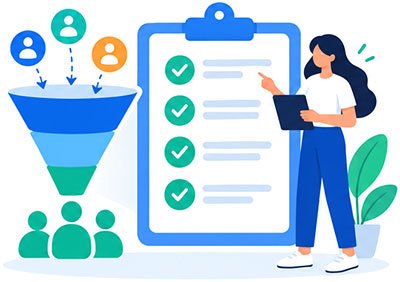
- Target people who genuinely need your products or services.
- Make your offer, website and contact options clear.
- Use search, useful content and suitable marketing channels to attract the right visitors.
- Build trust with genuine proof and respond promptly to enquiries.
- Measure qualified leads and sales, then improve what works.
Conclusion
Successful lead generation is not about collecting as many names as possible. Instead, it means helping the right people find your business, understand your value and take the next step.
Start with your audience, fix obvious website problems and keep track of outcomes. Over time, following these lead generation best practices can help build a more dependable source of new business.
Need Help Generating More Enquiries?
At NWD, we help businesses turn their online presence into real opportunities. Our web design services focus on clear, easy-to-use websites that encourage visitors to get in touch. Meanwhile, our SEO services help the right customers find you online.
We also offer dedicated lead generation services for businesses that want more relevant enquiries. If you are ready to improve your results, contact New World Digital to discuss your goals.